All Categories
Featured


Maximizing IUL Growth Potential for Retirement
Table of Contents
Premiums are typically lower for HMO strategies, and there is usually no deductible or a low one. Some HMO plans, consisting of those offered by Medical Mutual, do not need you to pick a PCP or have a referral to see an expert. For more HMO specifics, read our About HMO Plans article.
They likewise feature a network of service providers, but there are less limitations on seeing non-network service providers. In addition, your PPO insurance coverage will pay if you see a non-network provider, although it may be at a lower rate. Here are some key functions: You can see the physician or expert you 'd like without having to see a PCP.
However, your benefits will be better if you remain in the PPO network. Premiums tend to be greater, and it's common for there to be a deductible. Check out a more comprehensive meaning of PPO in our PPO Plans post. As pointed out above, Distinctions in between HMO (Health Care Company) and PPO (Preferred Company Organization) plans consist of network size, capability to see professionals, costs, and out-of-network coverage.
Finding Affordable Family Health Coverage
PPOs typically provide higher versatility in seeing specialists, have bigger networks than HMOs, and provide some out-of-network protection. Here are the comparison points in more detail. A defining feature of HMO and PPO strategies is that they both have networks. Networks are one way to lower healthcare expenses network suppliers accept offer discount rates in exchange for access to a health strategy's members.
In general, PPO networks tend to be wider, including more medical professionals and hospitals than HMO plans, giving you more option. Networks will vary from insurer to insurance provider, and plan to strategy, so it's best to research study each strategy's network before you choose. The majority of HMOs will need you to choose a primary care doctor, who will be the main point of contact for your treatment.
Expenses for specialists will not be covered without a PCP recommendation. On the other hand, PPOs tend not to need choice of a PCP, and you can usually see an expert without a referral, and still have these costs covered. For both PPO and HMO plans, your expenses for care will be least expensive if you receive it from in-network companies.
For HMOs, out-of-network services are usually not covered at all, other than for emergency situations. PPOs differ from HMOs in that PPO plans will normally provide some protection for these kinds of services, but coverage for in-network suppliers will be better. The extra coverage and flexibility you obtain from a PPO means that PPO strategies will typically cost more than HMO strategies.
Why Term Life Protects Family Security
This is the amount of health care costs you need to pay before your plan begins to cover your expenses. Not all HMOs have deductibles, but when they do, they tend to be lower than PPO deductibles.
49% of covered employees had PPO strategies in the survey, while HMOs covered 16%. When it concerns your own health plan choice, it may seem like a cliche, however when selecting in between an HMO or PPO strategy, it is not necessarily about which is much better, but which is best for you.
If your financial situation dictates that expense is essential, you might seriously consider going with an HMO plan. Typically speaking, expenses for HMO strategies will be less. Premiums tend to be lower, and deductibles will likewise be lower, or may be absent entirely. The compromise will be versatility.
Unlike the majority of HMO health strategies, you will not likely require to pick a main care physician, and you will not usually need a referral from that physician to see a specialist. A PPO network will likely be bigger, giving you a higher selection of in-network medical professionals, specialists, and centers to choose from.
Essential Part D Enrollment Advice for 2026
With HMOs, out-of-network protection will usually be restricted to emergencies; non-emergency services are not normally covered at all. To help you weigh the pros and cons described above, here's a fast summary of them: With any strategy, inspect the supplier network to see if your preferred service providers remain in the strategy's network, given that remaining in-network will save you cash.

You may find that the particular HMO plan you're considering includes your favored service providers, or at least enough of them to fulfill your needs.

Latest Posts

Finding Your Top 2026 Medicare Supplement Coverage
Maximizing IUL Growth Potential for Retirement
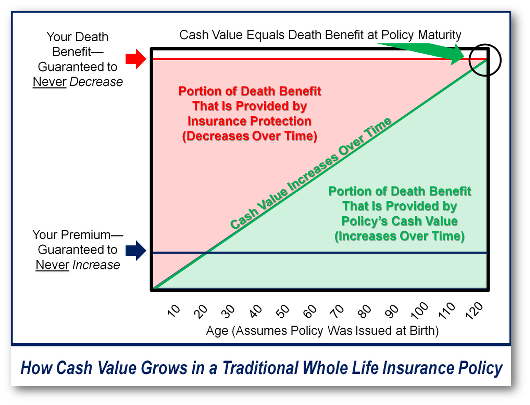
The Mechanics of Whole Life Coverage